Standardised electrosynthetic equipment
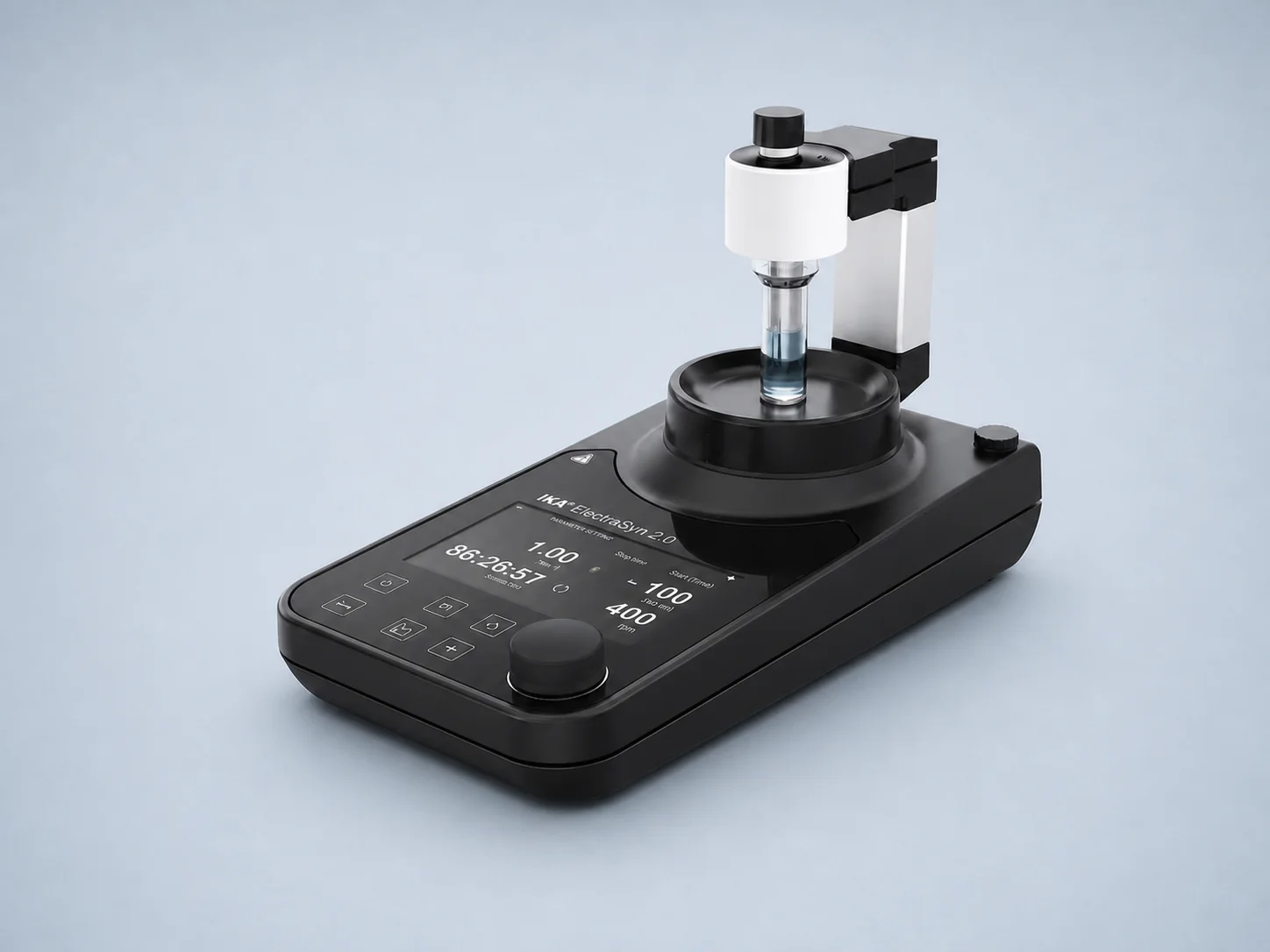
IKA ElectraSyn 2.0
A bank of 50 IKA ElectraSyn 2.0 instruments and associated electrodes supports parallel reaction screening and reproducible constant-current or constant-potential experiments.
Dedicated group equipment and shared University infrastructure support reaction discovery, electroanalysis, rapid analysis, prototyping, flow processing and scale-up.
Explore the equipment supporting reaction discovery, analysis, prototyping and process development.
Standardised electrosynthetic equipment
A bank of 50 IKA ElectraSyn 2.0 instruments and associated electrodes supports parallel reaction screening and reproducible constant-current or constant-potential experiments.
Parallel electrosynthesis
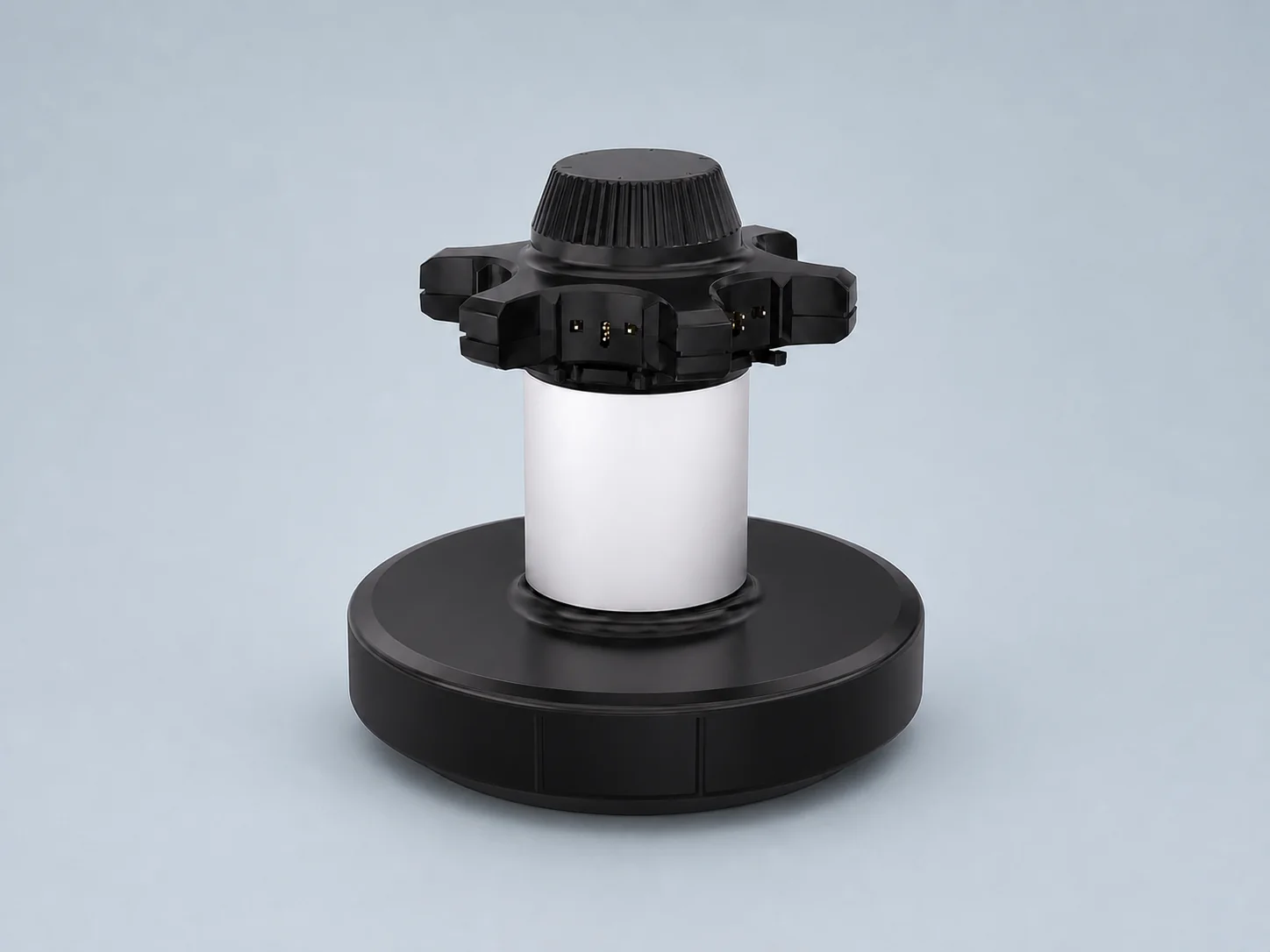
The IKA Carousel converts an ElectraSyn 2.0 into a six-reactor constant-current screening system with individual vial detection, voltage monitoring and consistent stirring.
High-throughput electrosynthesis
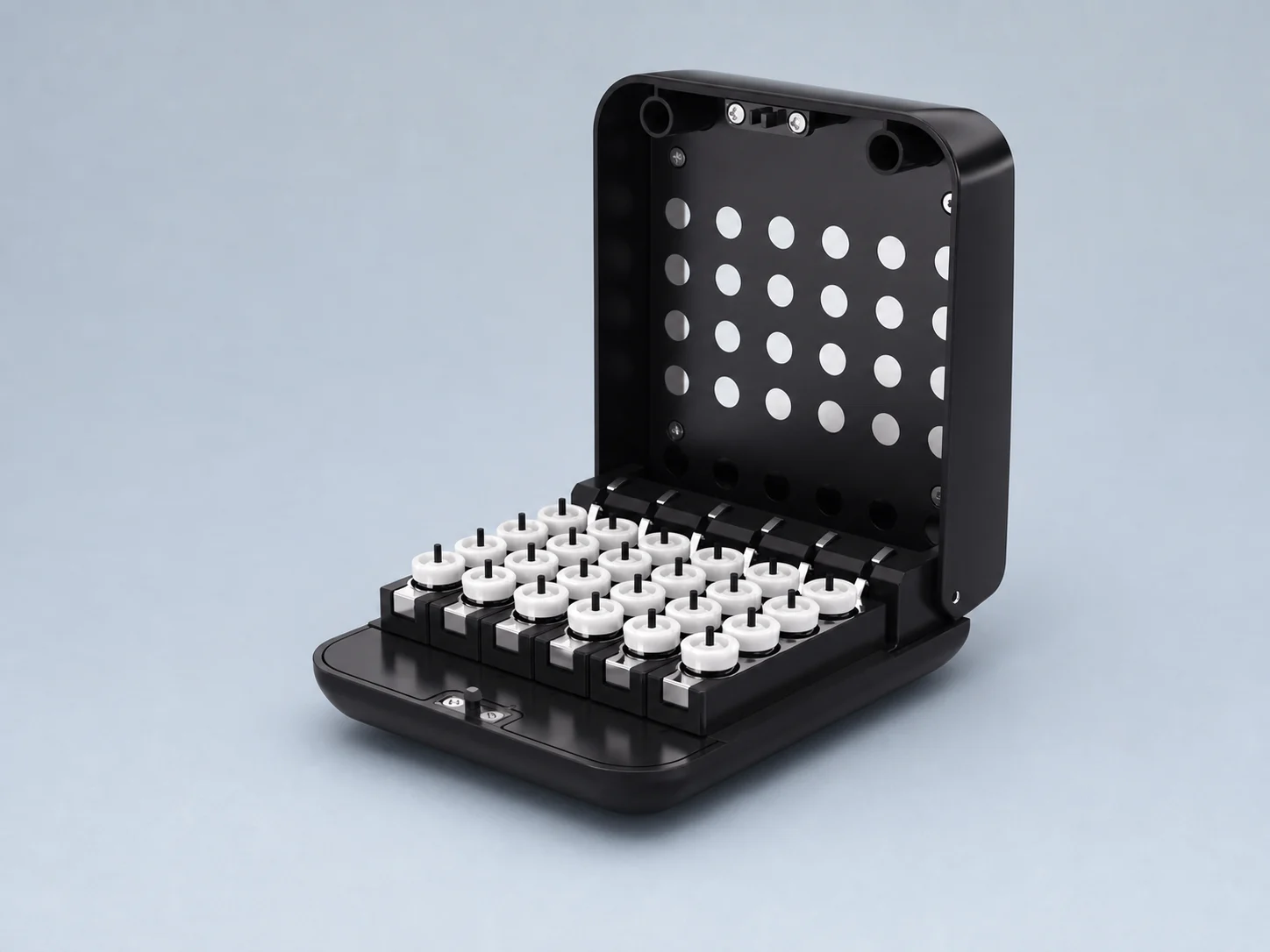
The IKA e-Hive provides a constant-voltage platform for up to 24 simultaneous reactions, supporting high-throughput electrochemical screening during early-stage reaction discovery.
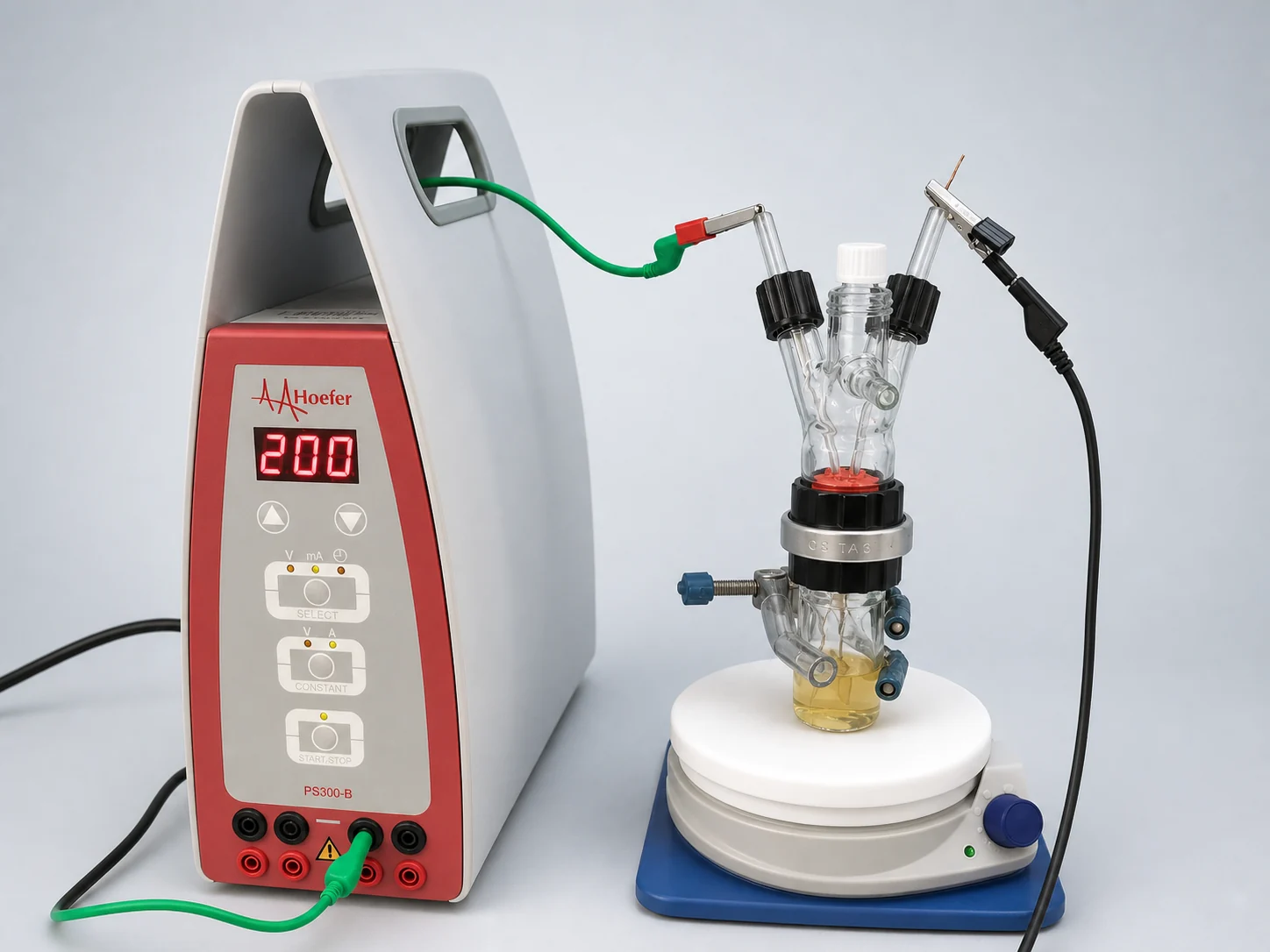
Custom systems
Home-built divided and undivided cells support controlled electrode spacing, alternative geometries, gas handling and scale-dependent reactor development.
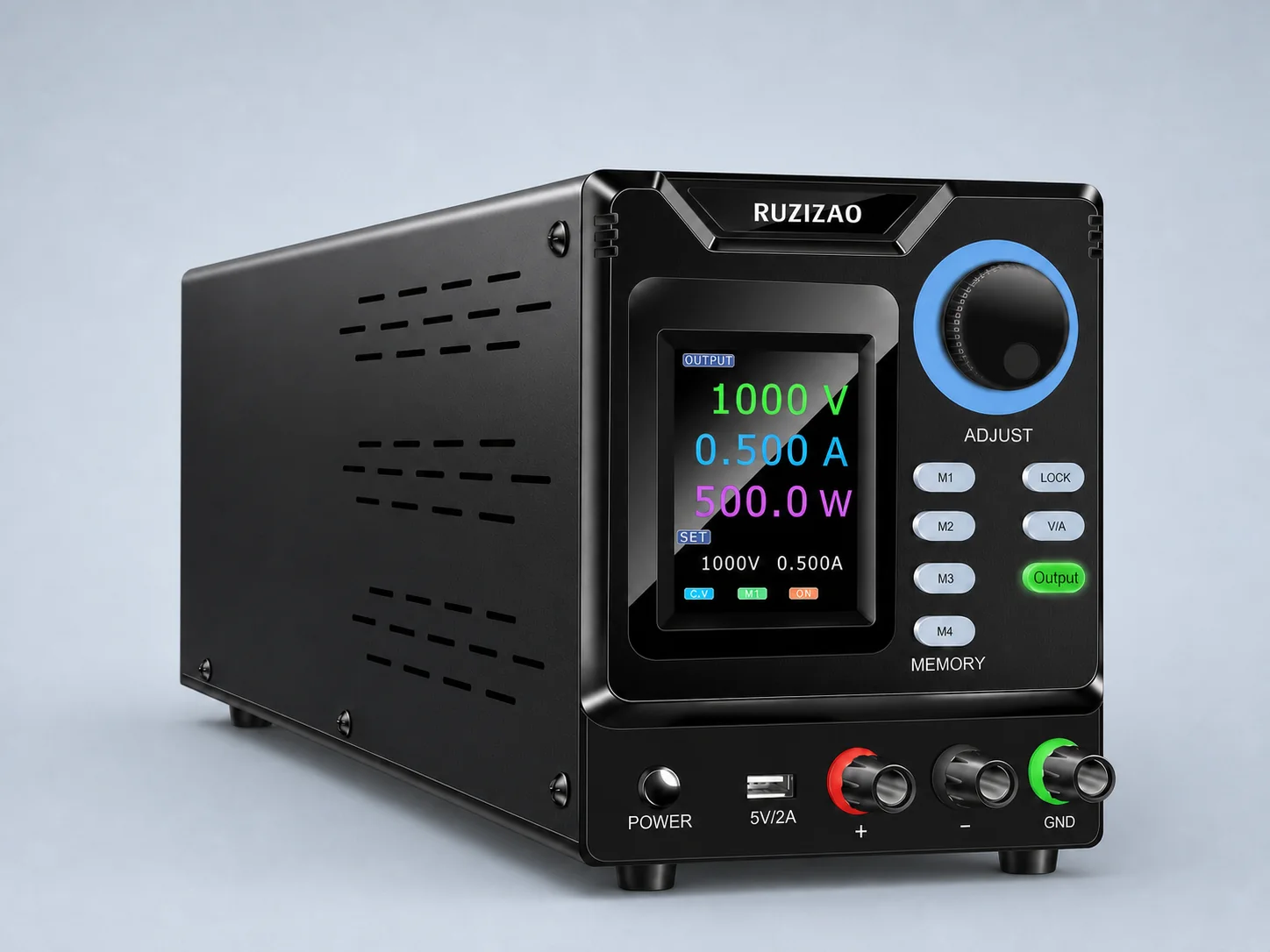
Unconventional electrosynthetic conditions
Programmable 1,000 V and 2,000 V DC power supplies enable controlled electrosynthesis under unconventional high-voltage conditions. Experiments are conducted using appropriate enclosures, interlocks and high-voltage operating procedures.
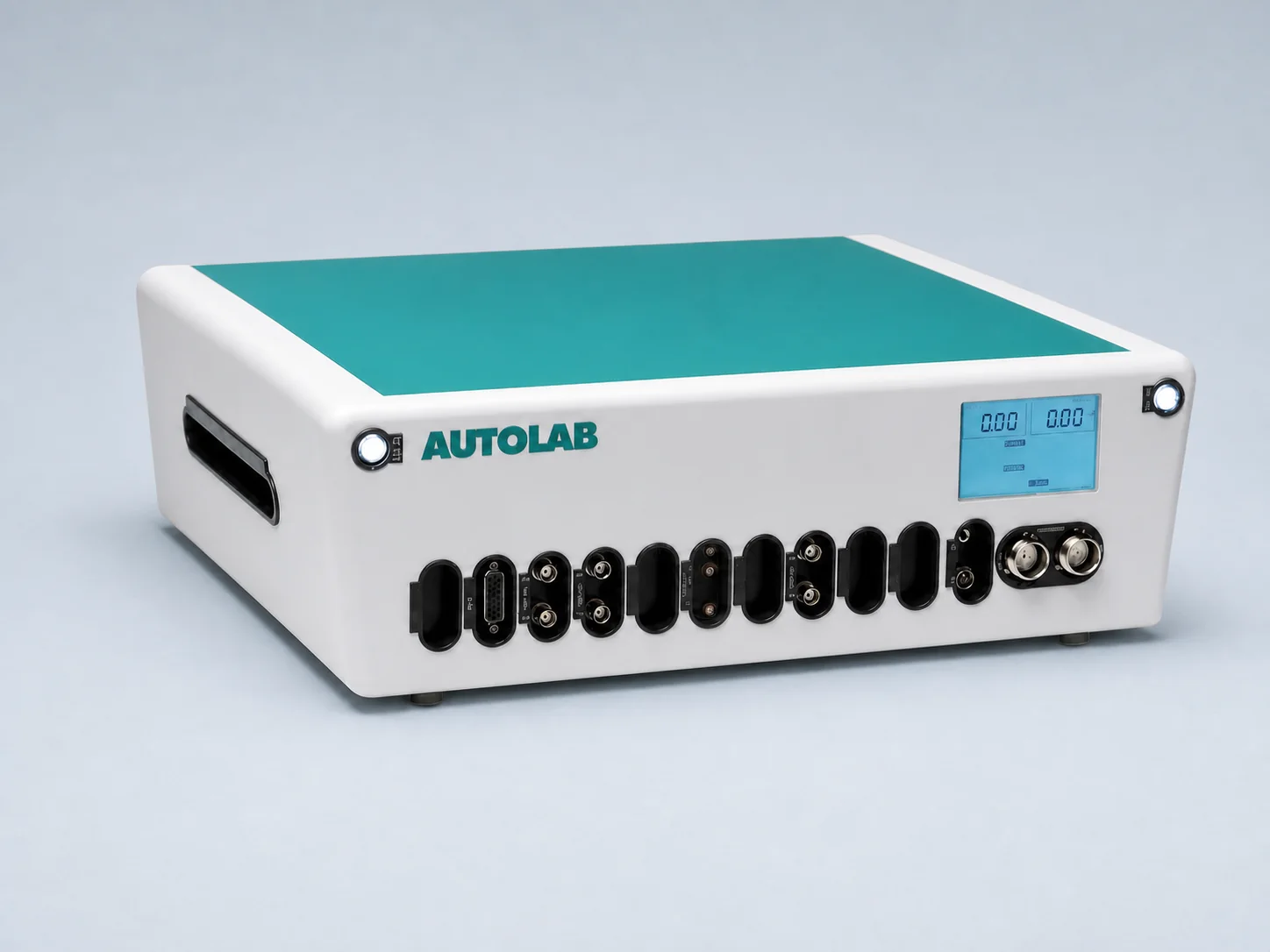
Fast electroanalysis
With the ADC10M and SCAN250 modules, ultra-fast cyclic voltammetry at scan rates up to 250,000 V/s can resolve fast transients and support the detection of short-lived electrochemically generated species.
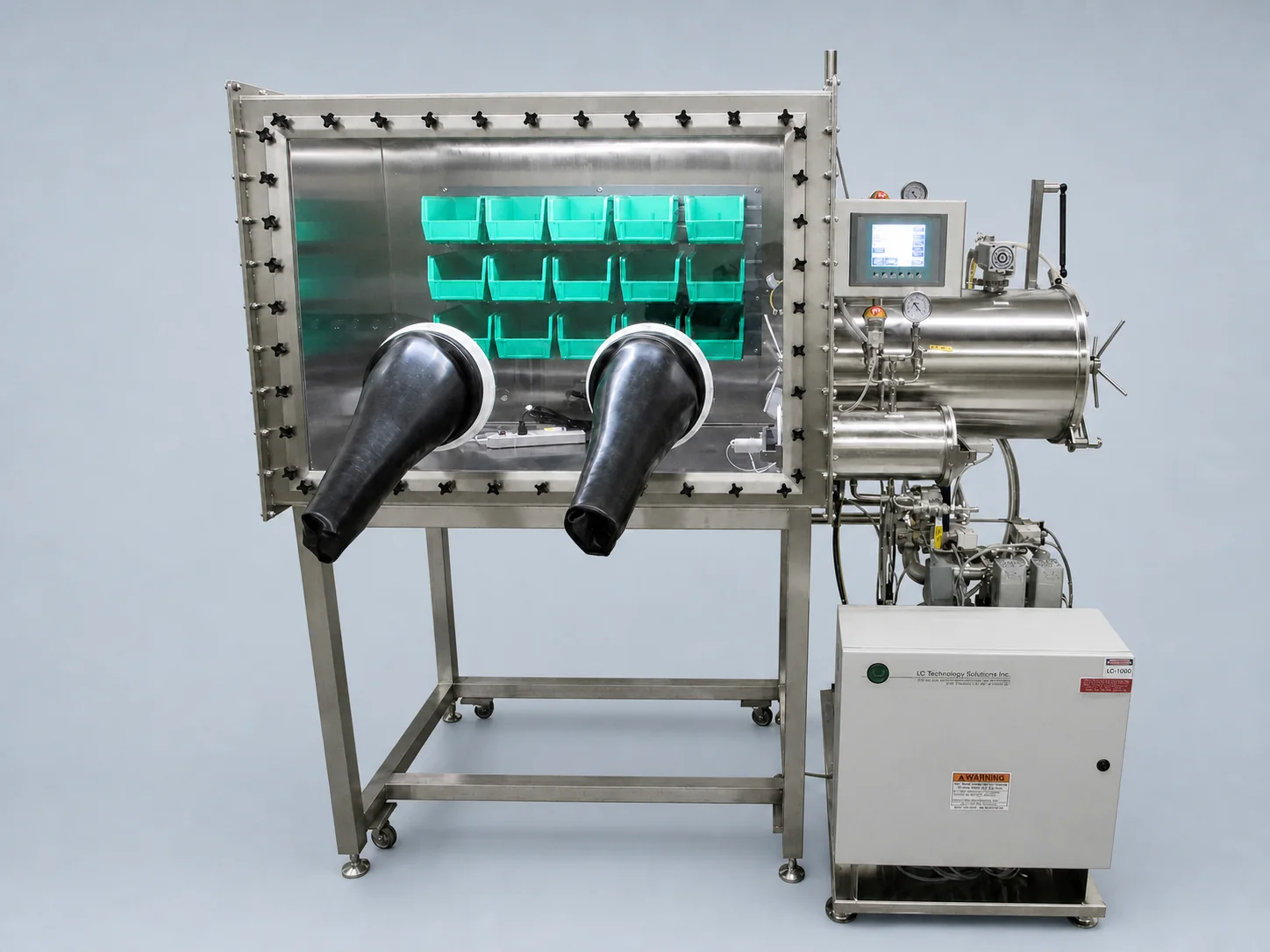
Inert-atmosphere electrochemistry
An LC Technology LC-100 standard glovebox with an electrochemical connection port supports cyclic voltammetry and electrolysis under rigorously inert conditions. When connected to its gas purification system, it is designed to maintain H₂O and O₂ below 1 ppm.
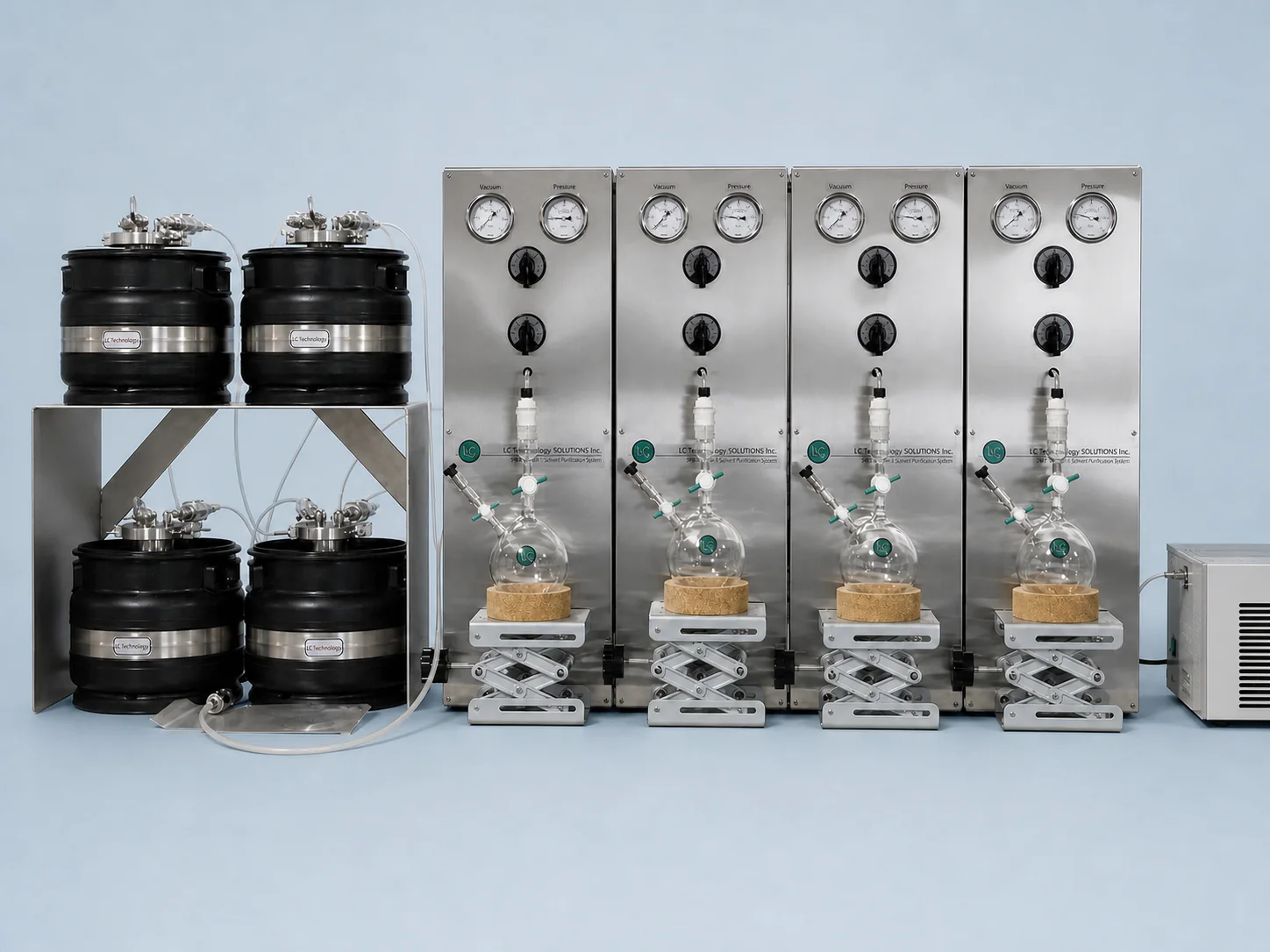
Dry-solvent delivery
The LC Technology SPBT-1 is a compact point-of-use system for safely drying solvents on a laboratory bench or under a fume hood. Its 5-litre solvent keg can be disconnected for refilling, supporting flexible dry-solvent delivery close to the experiment.
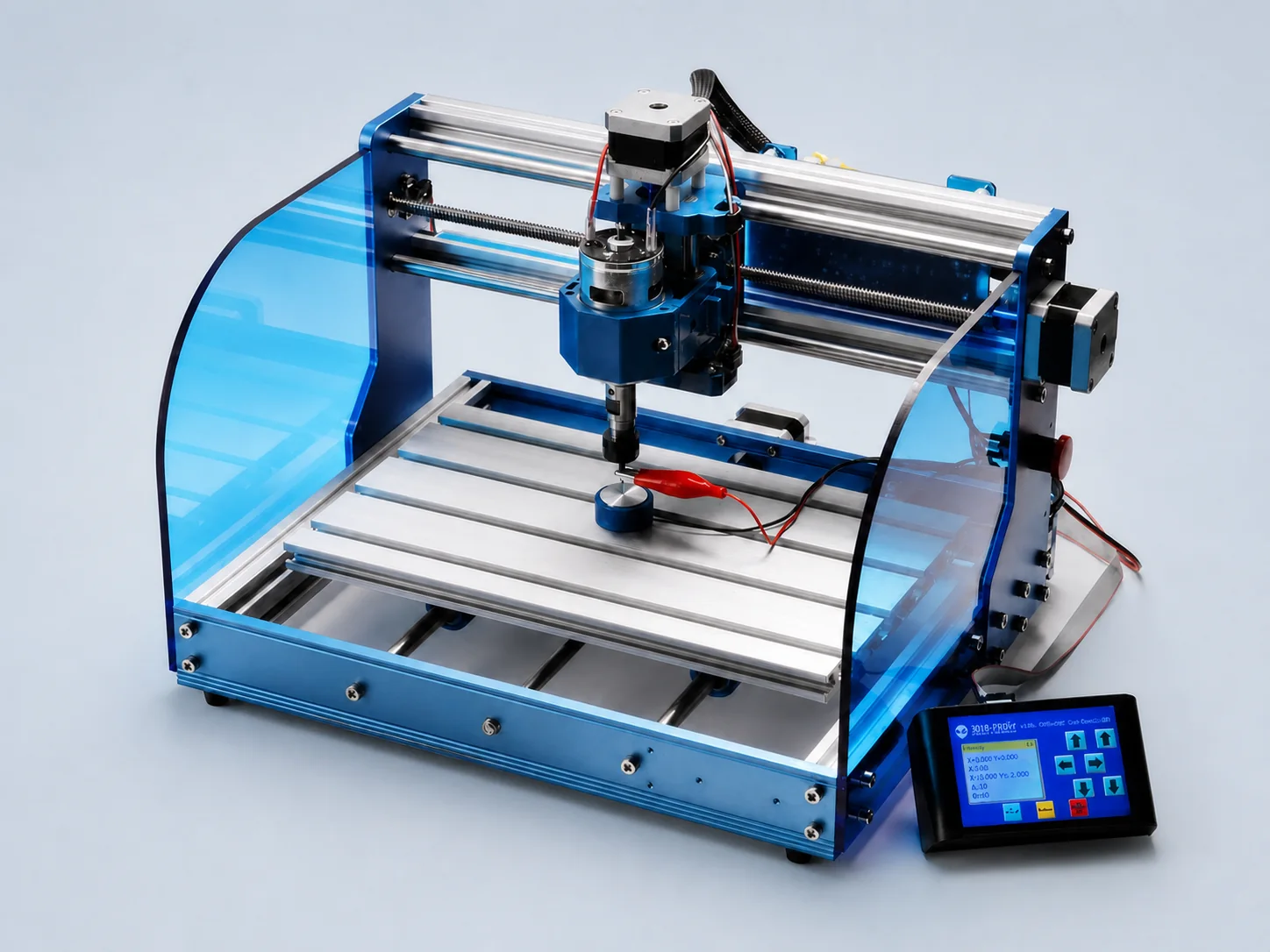
Bespoke electrode fabrication
Compact CNC machining and laser cutting support the preparation of bespoke electrodes and small components for electrochemical cells and reactor development.
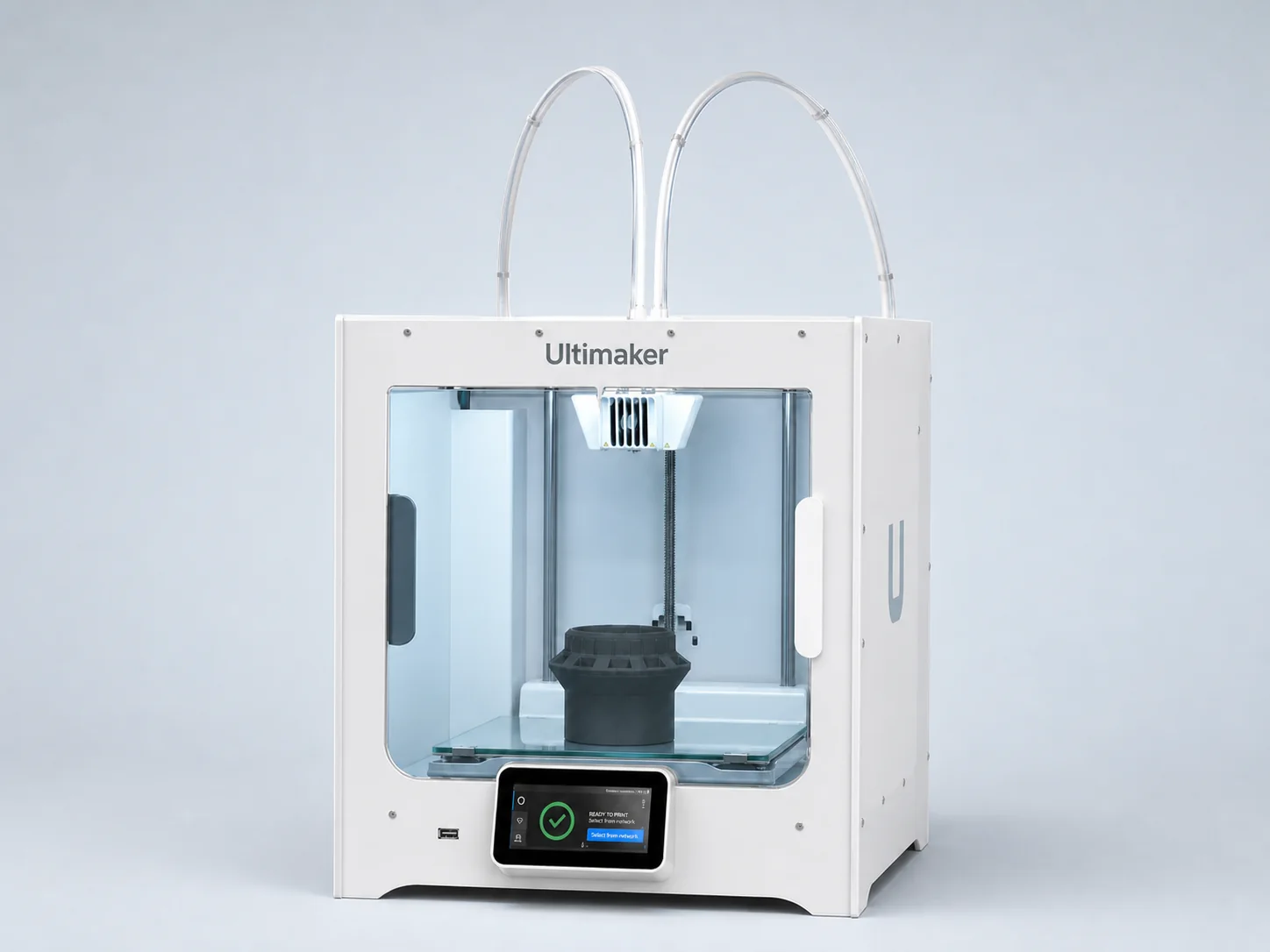
Rapid prototyping
Dual-extrusion 3D printing supports rapid prototyping of reactor components, fixtures and experimental hardware before final fabrication.
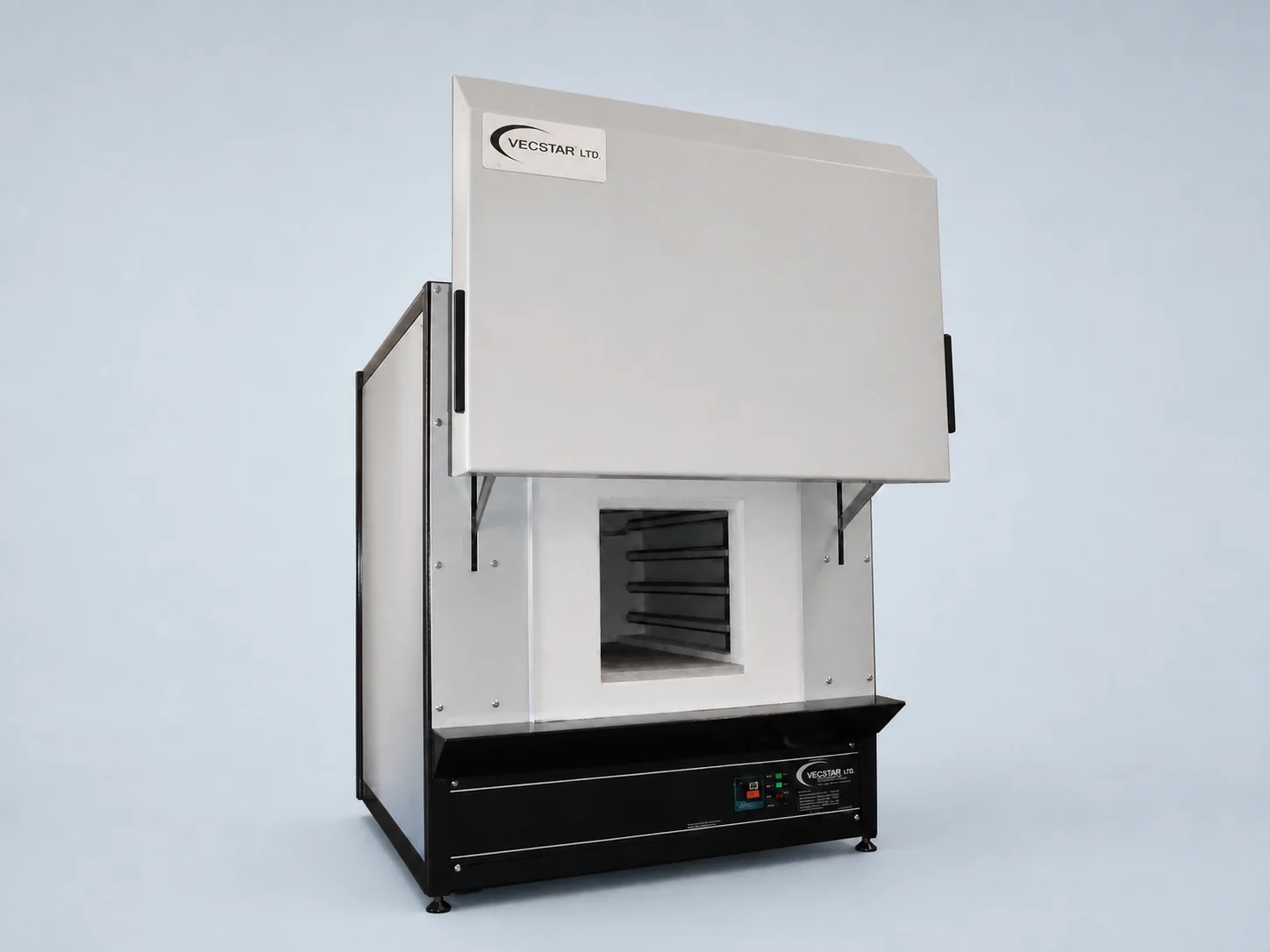
Electrode-material preparation
Controlled high-temperature treatment supports the preparation of alloy electrodes and the development of new electrode materials.
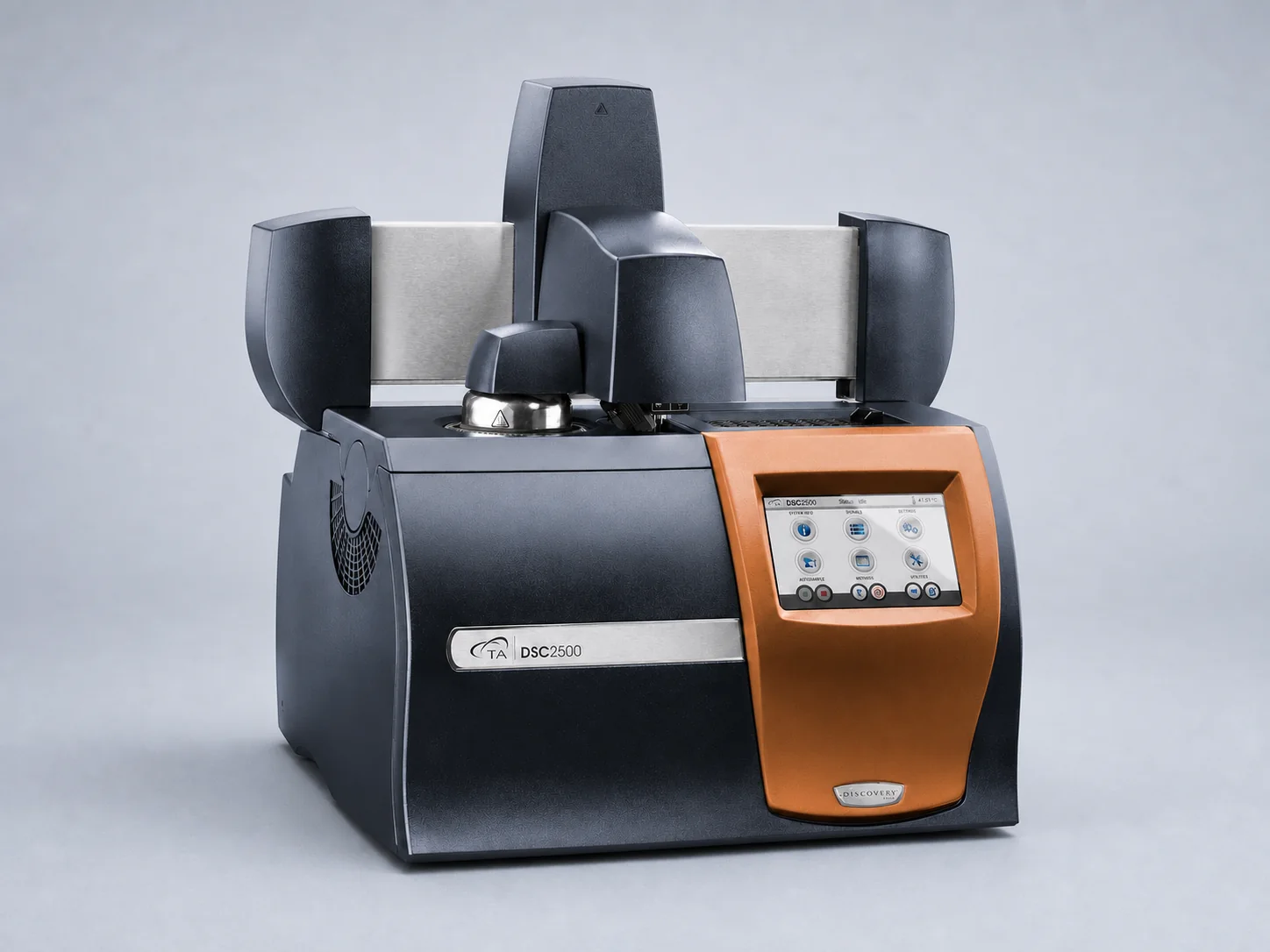
Thermal analysis and hazard screening
Differential scanning calorimetry measures heat-flow changes associated with phase transitions, decomposition and other thermal events. It supports thermal-property characterisation and early thermal-hazard screening alongside appropriate risk assessment and, where required, dedicated energetic-materials testing.
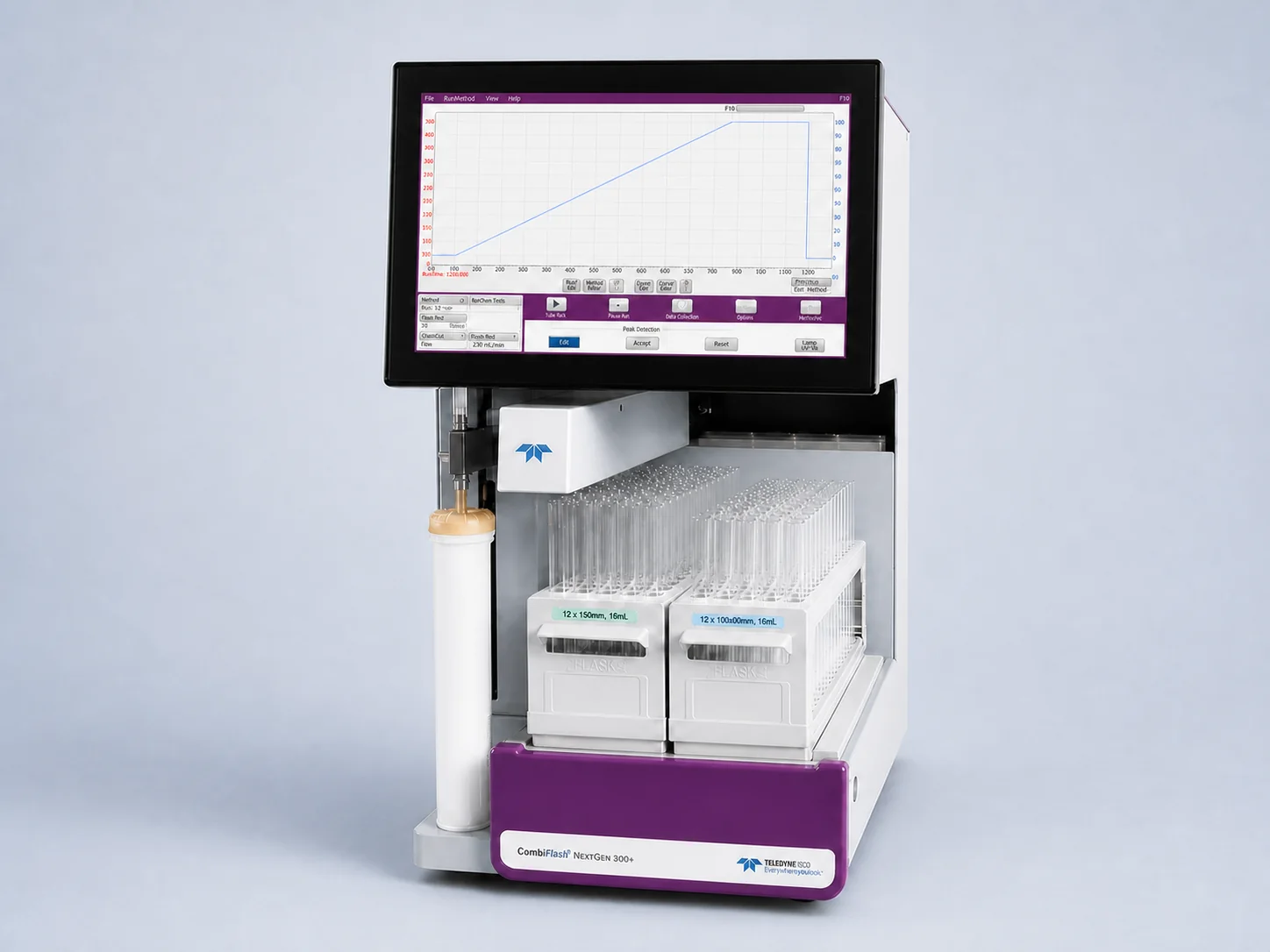
Flash chromatography
Five CombiFlash NextGen 300+ systems support rapid, reproducible flash purification, with flow rates from 1 to 300 mL/min and operating pressures up to 300 psi (20 bar).
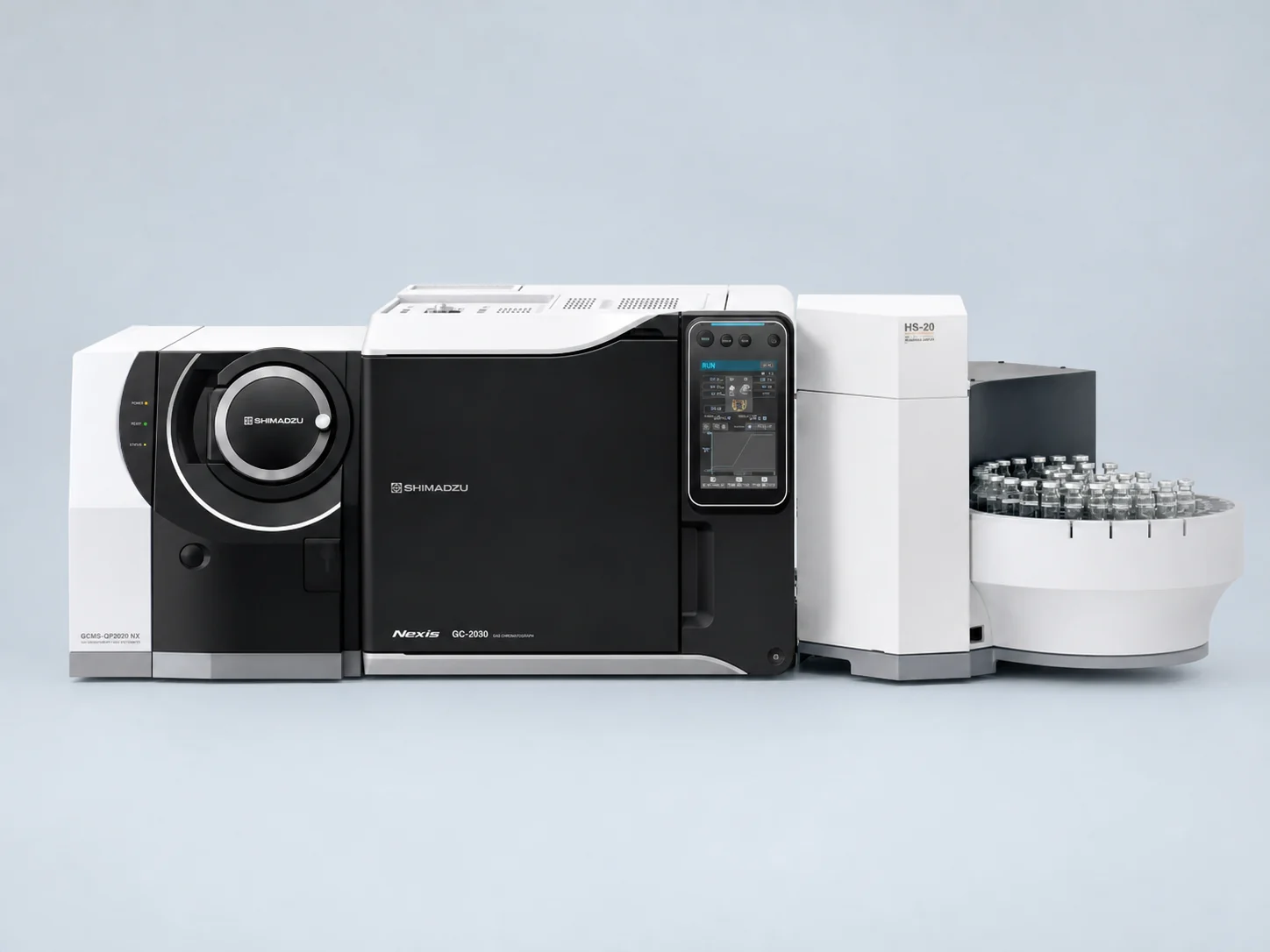
Volatile analysis
On-site GC–MS enables rapid identification and quantification of volatile compounds.
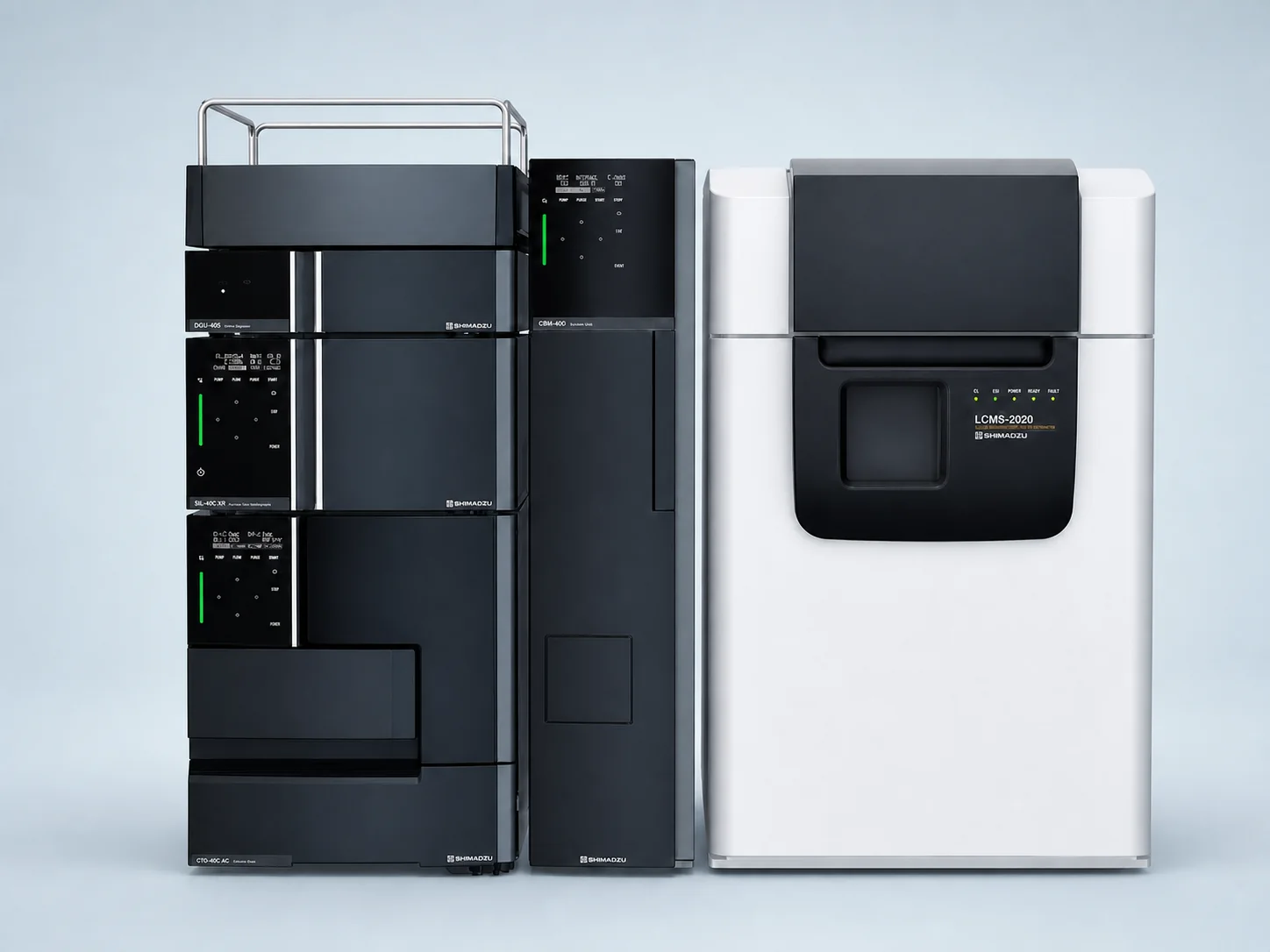
Liquid analysis
Liquid chromatography with mass spectrometry and photodiode-array detection complements GC-MS for the identification and quantification of organic compounds.
Rapid analysis
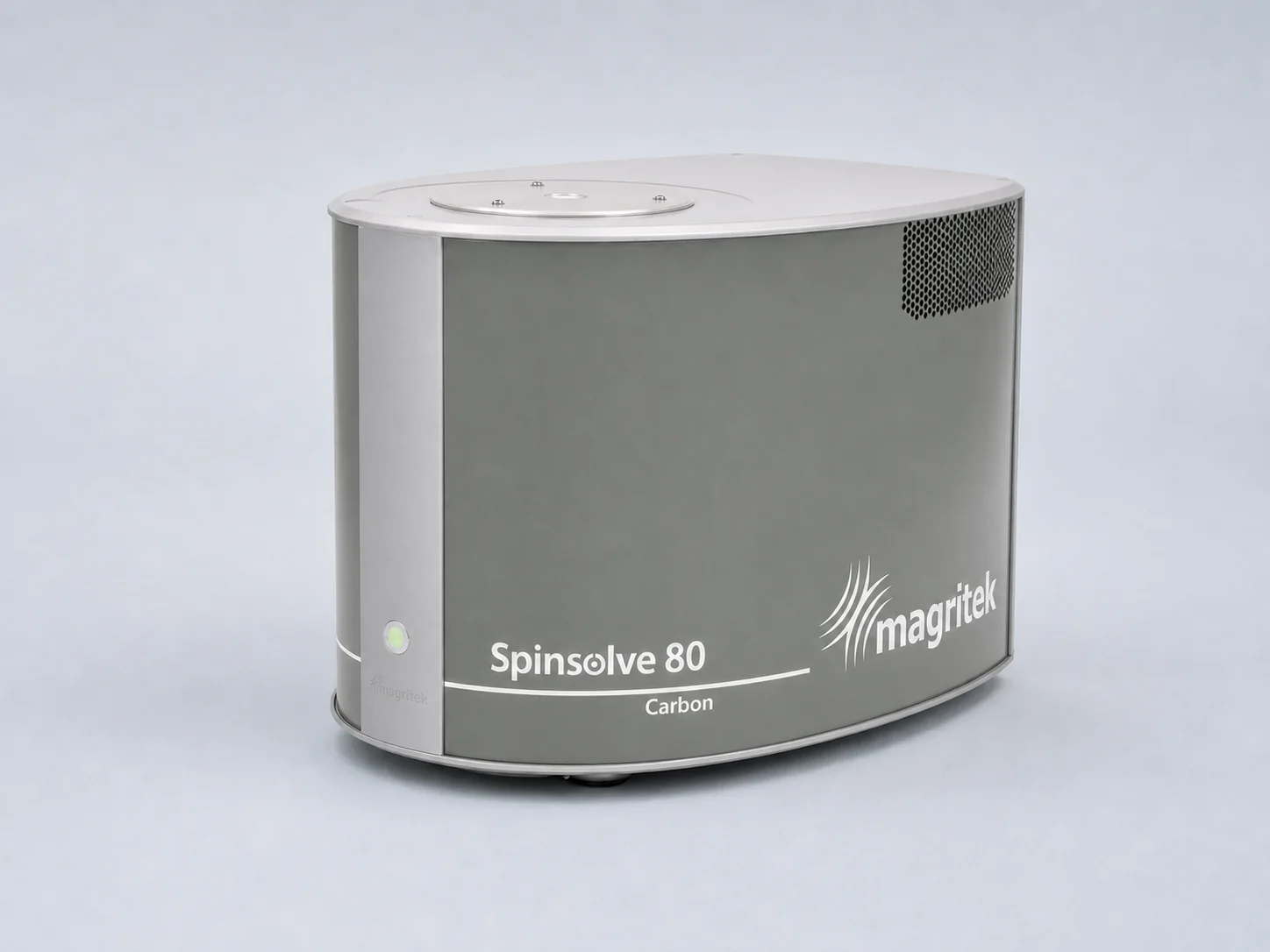
An on-site benchtop NMR spectrometer supports rapid ¹H and ¹⁹F structure checks, quantitative workflows, and reaction monitoring directly in the laboratory.
Flow electrosynthesis
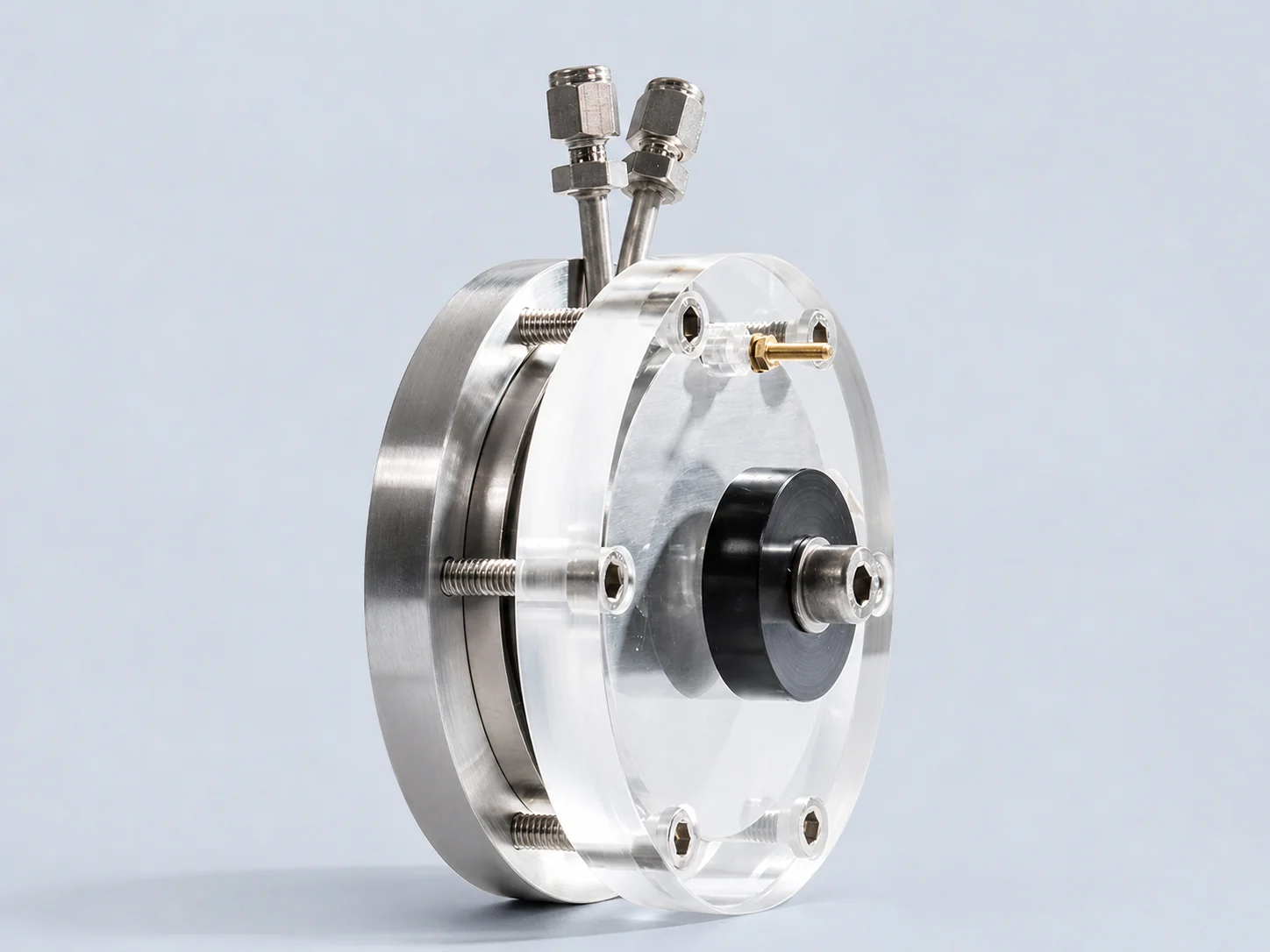
A compact spiral-channel cell from Cambridge Reactor Design for controlled single-pass electrosynthesis and gram-scale flow reaction development.
Electrochemical and photochemical flow
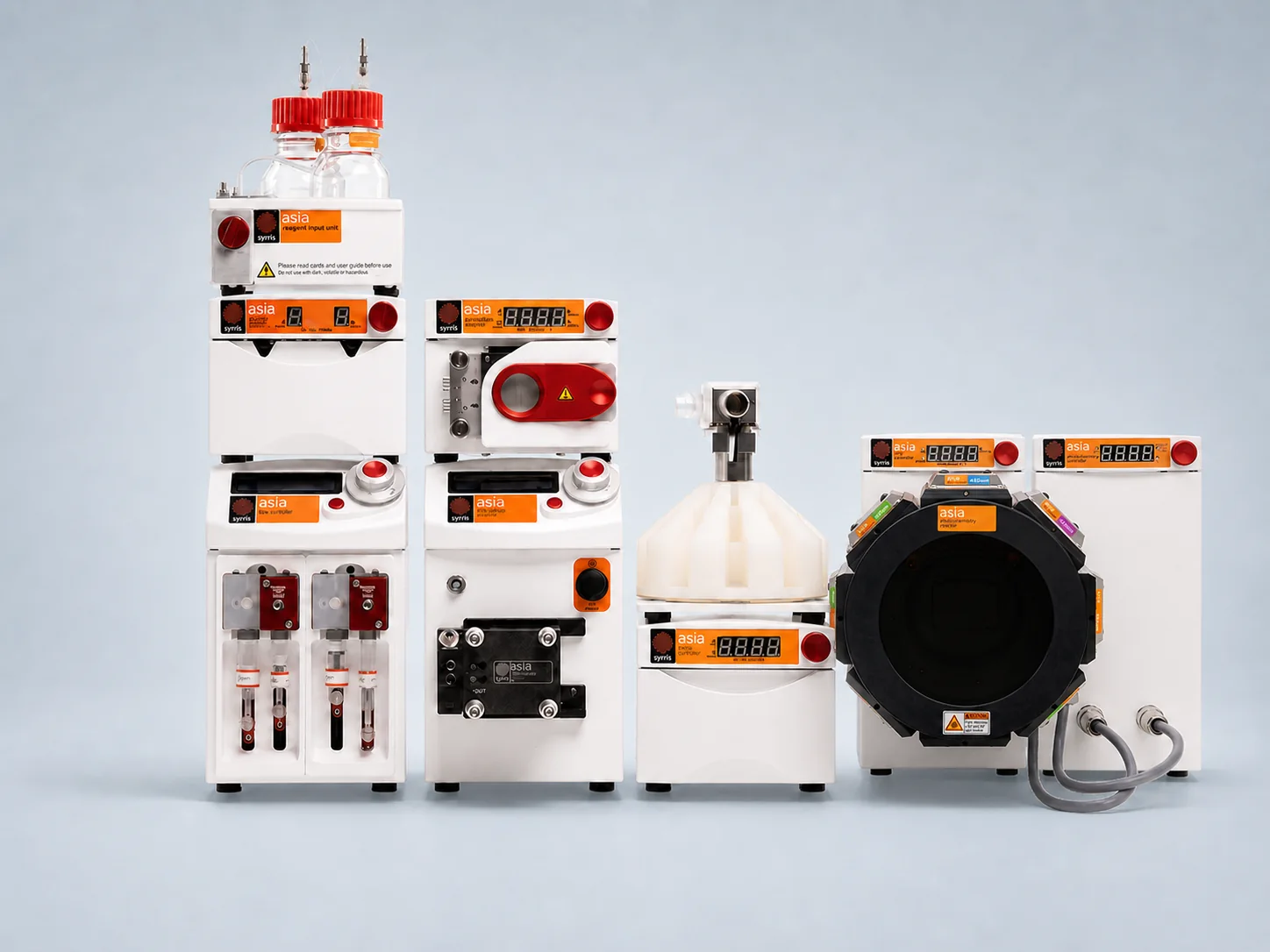
A modular continuous-flow platform combines electrochemical and photochemical reactor capability. It supports controlled-current and controlled-voltage electrolysis, wavelength-selective irradiation, precise residence-time studies and translation from reaction discovery towards scalable flow operation.
Solid-state NMR
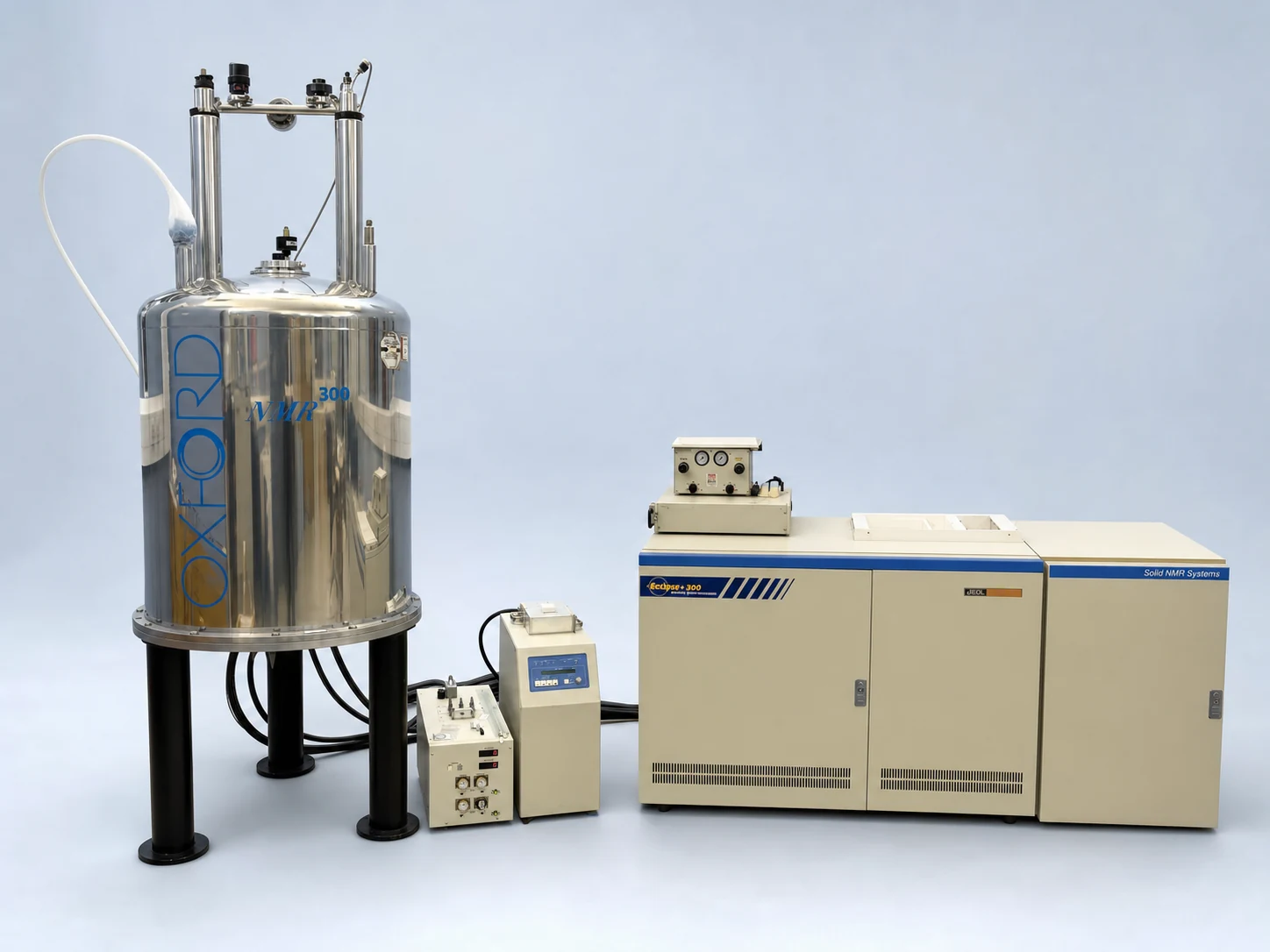
A shared 300 MHz FT NMR spectrometer equipped with a 6 mm multinuclear high-speed MAS solid-state probe for structural characterisation of crystalline and amorphous materials.
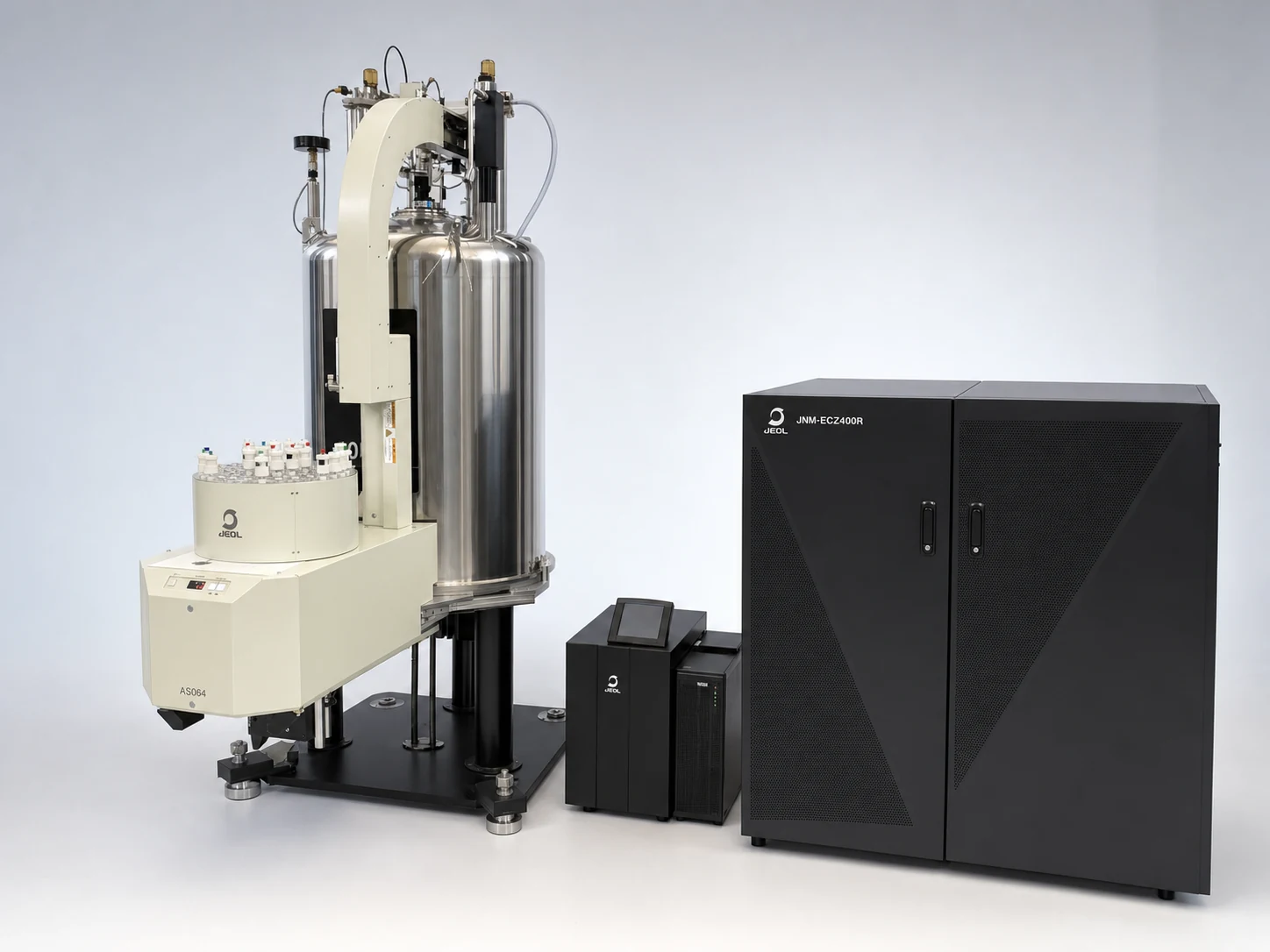
Liquid-state NMR
A shared 400 MHz liquid-state NMR spectrometer equipped with a multinuclear JEOL ROYALPROBE™, a 60-position autosampler and variable-temperature capability.
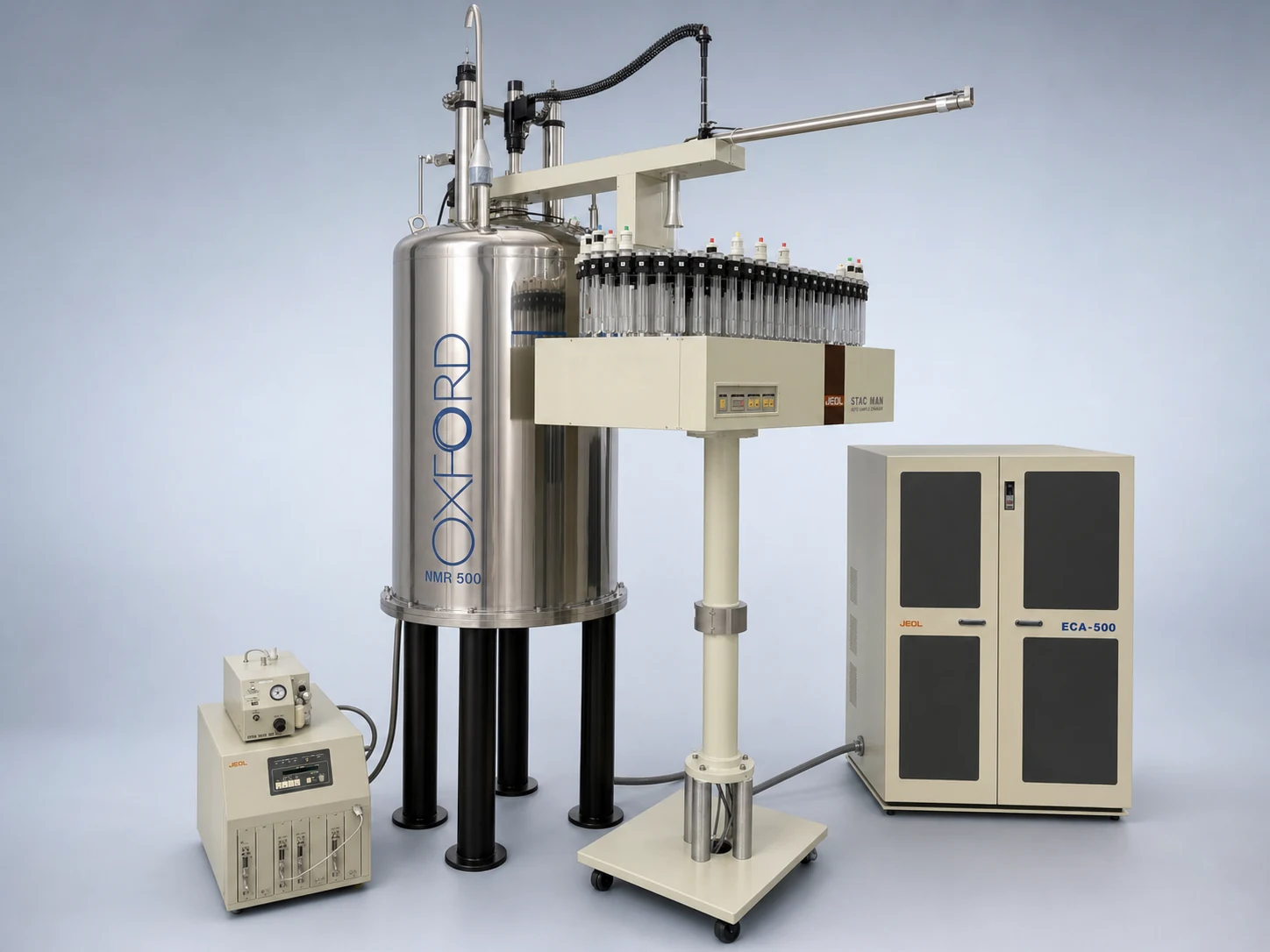
High-field NMR
A shared 500 MHz FT NMR spectrometer with pulsed-field gradients, liquid- and HR-MAS probe capability, automated sample handling and variable-temperature capability.
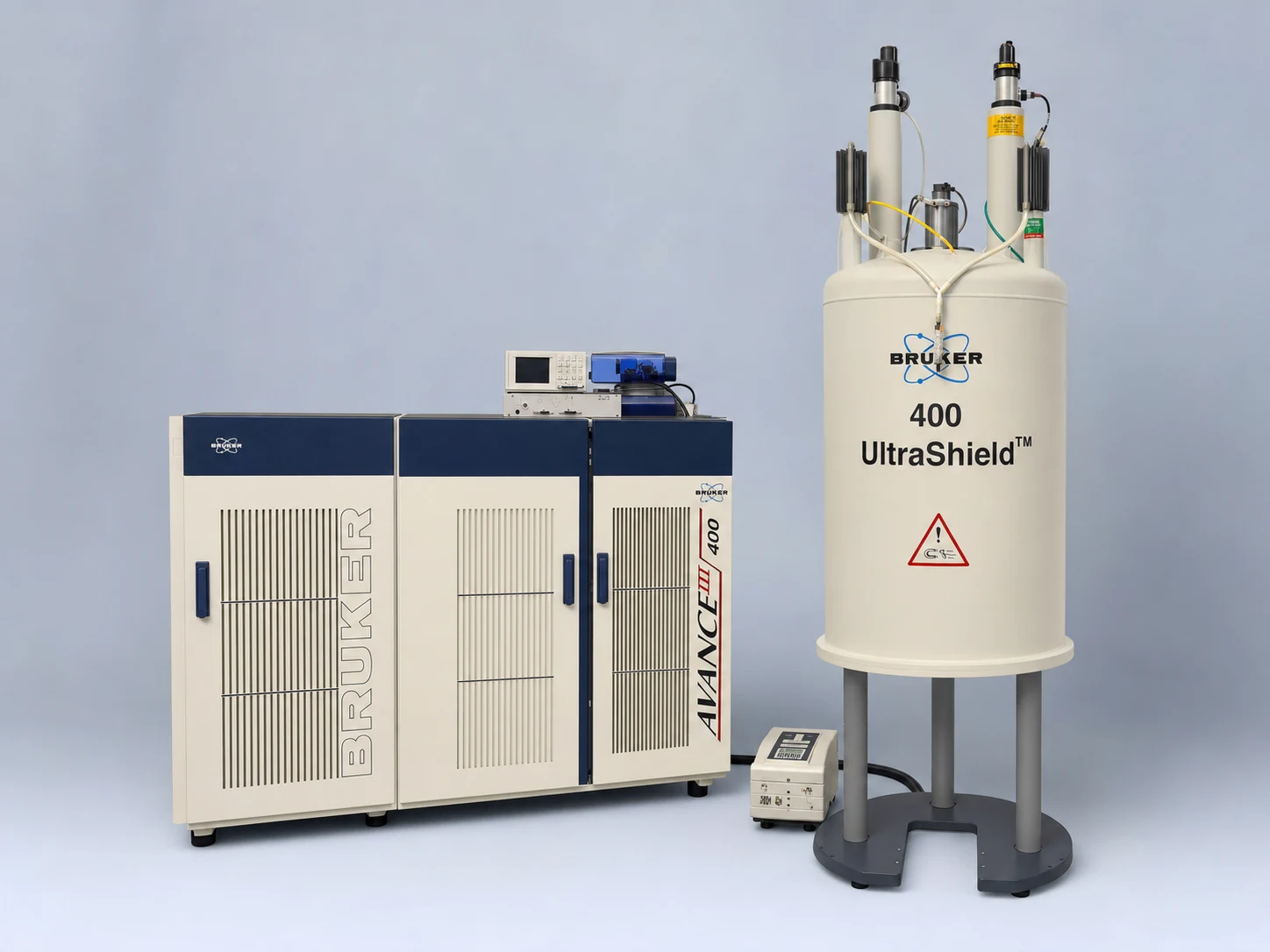
Diffusion NMR
A shared 400 MHz system used for diffusion NMR experiments and measurement of molecular diffusion coefficients in solution.
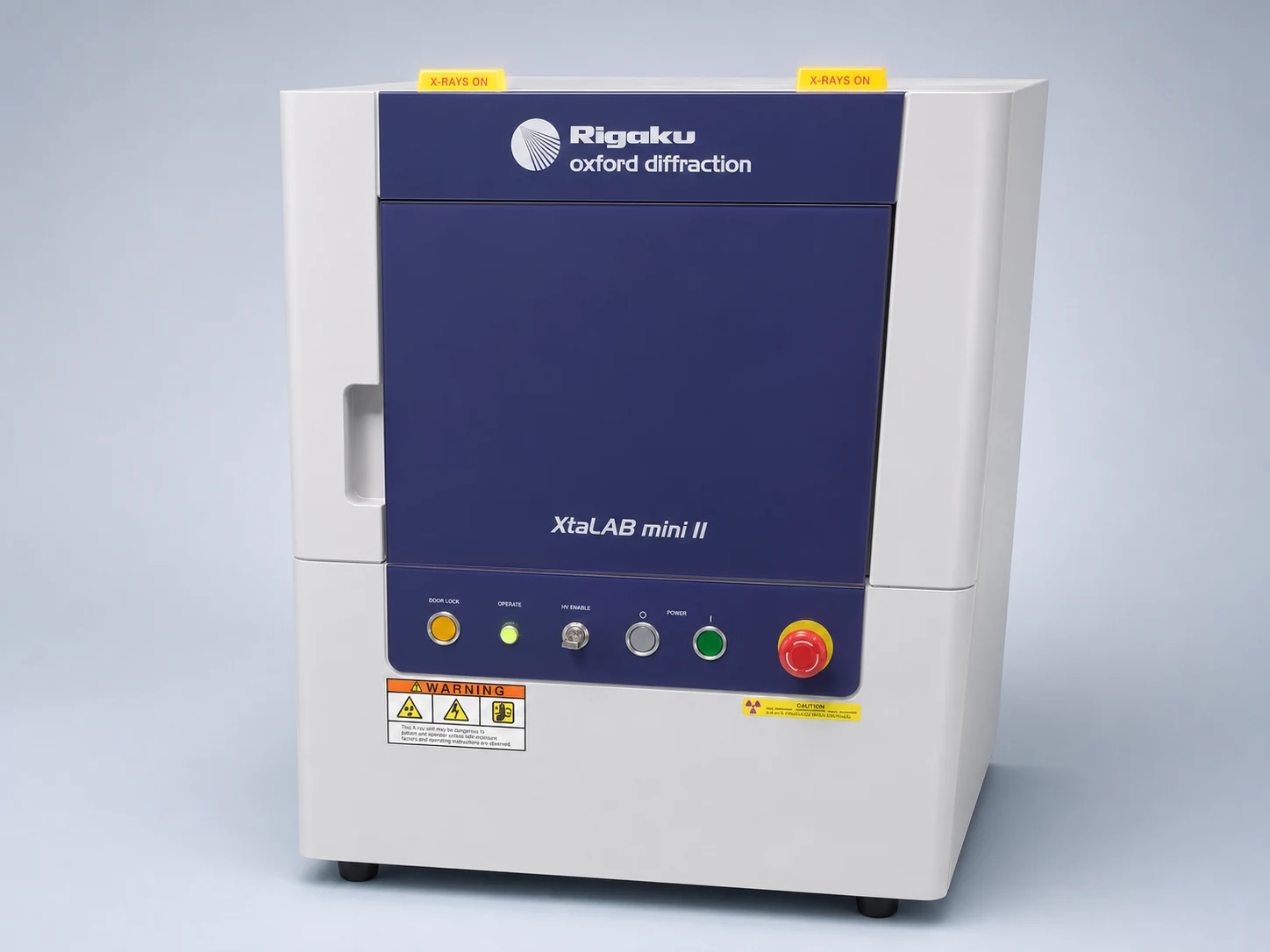
Single-crystal X-ray diffraction
A benchtop single-crystal X-ray diffractometer for determining publication-quality three-dimensional molecular and crystal structures.
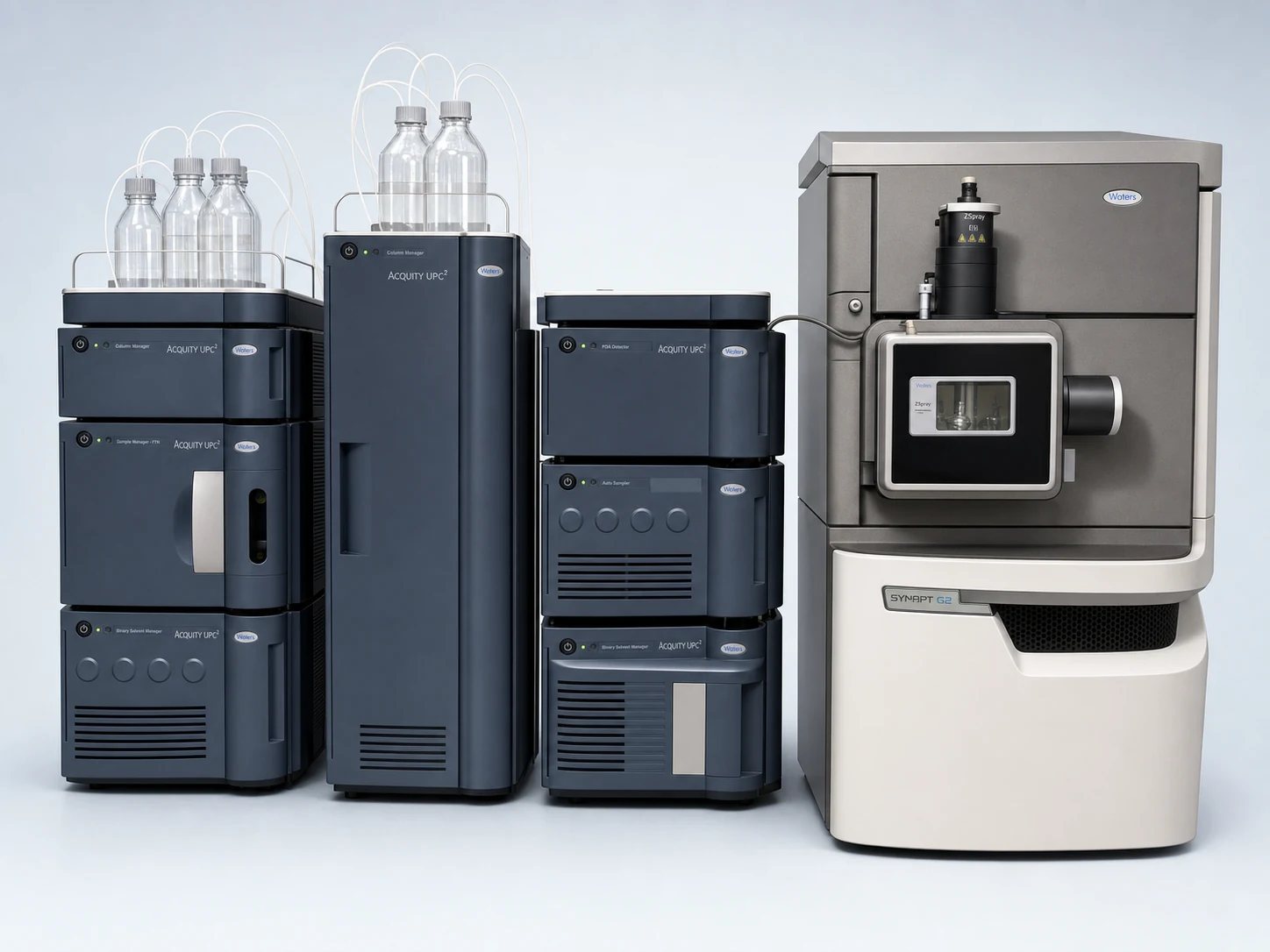
HRMS and supercritical-CO2 chromatography
A coupled platform combining high-resolution exact-mass and tandem MS, ion-mobility separation and supercritical-CO2 chromatography for rapid chiral and achiral separations.
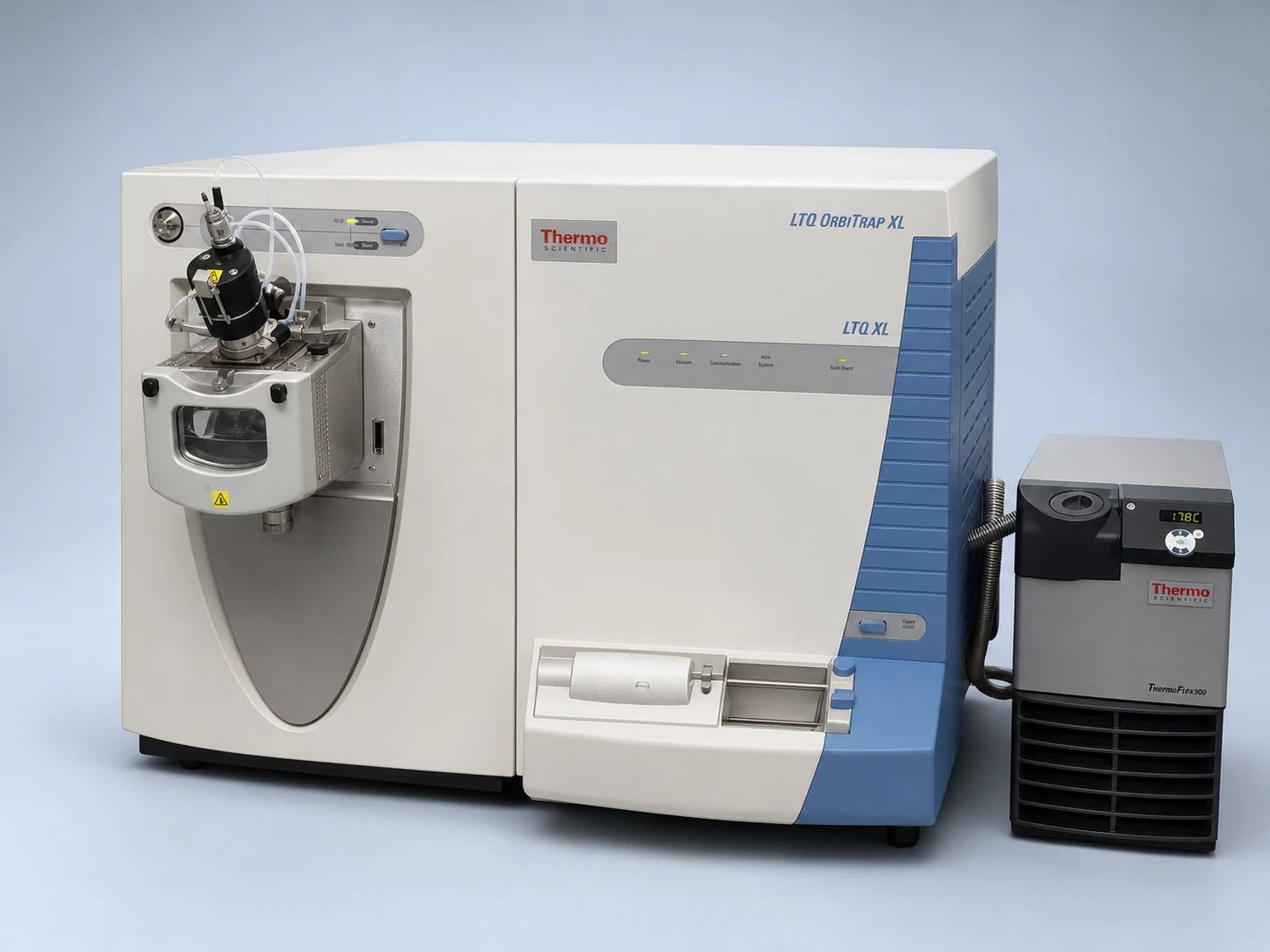
High-resolution mass spectrometry
A hybrid linear ion-trap/Orbitrap instrument for high-resolution accurate-mass measurements and tandem MS experiments.
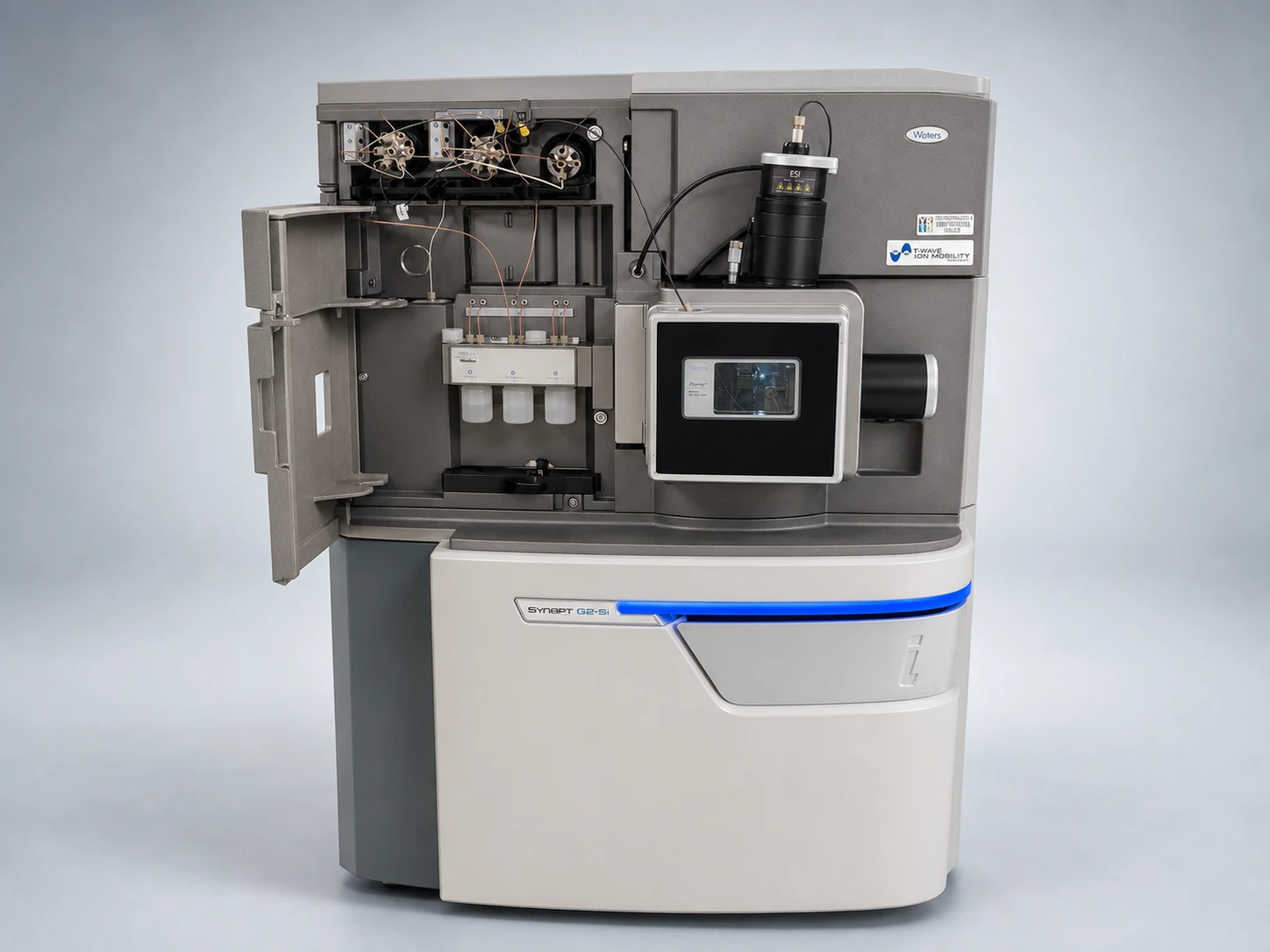
HRMS and ion-mobility separation
High-resolution exact-mass spectrometry combined with travelling-wave ion-mobility separation to distinguish ions by mass-to-charge ratio and gas-phase mobility.
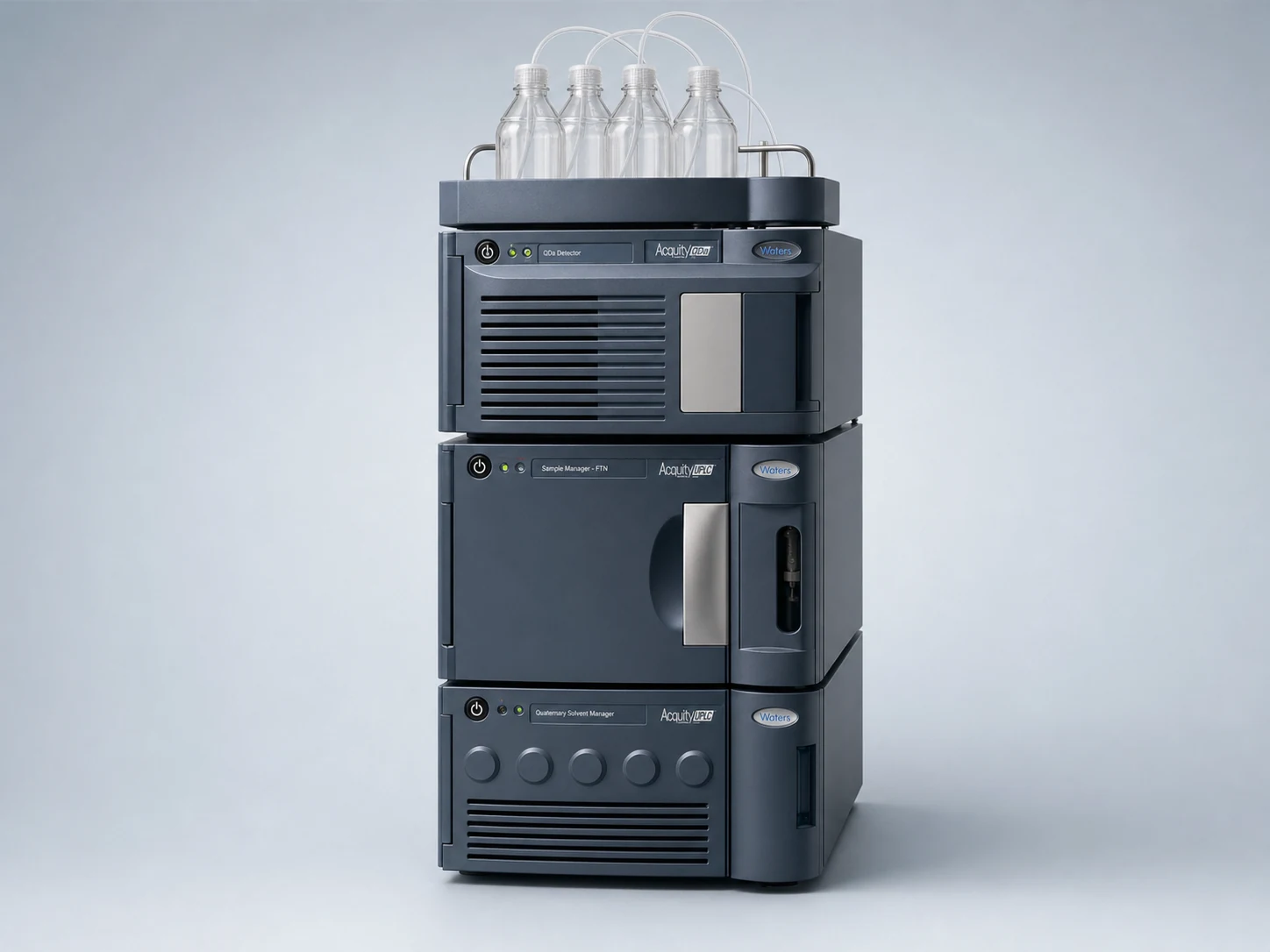
Rapid UPLC-MS
Three systems provide rapid chromatographic separation with routine mass detection for compound identification, purity assessment and reaction or sample analysis.
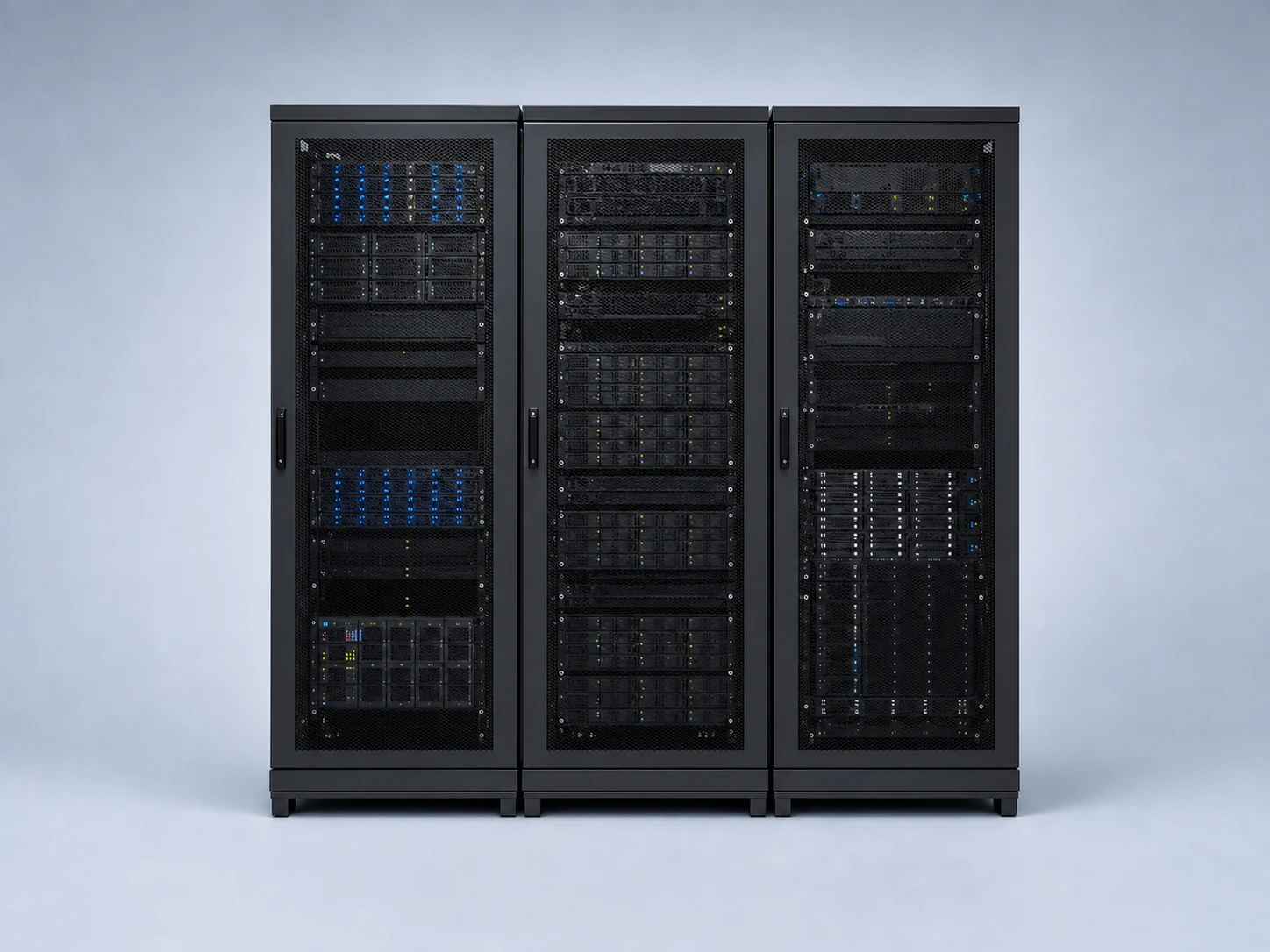
High-performance computing
Greenwich’s shared high-performance computer provides 2,500 CPU cores for large-scale modelling, simulation, data analysis and other computationally intensive research across the University and beyond.
Direct access enables rapid iteration and efficient troubleshooting. A reaction can be performed, analysed, modified and repeated within the same working environment, allowing mechanistic evidence and synthetic observations to guide one another.
Screen Analyse Understand Optimise Scale Purify Characterise
The group’s dedicated facilities support academic, industrial and interdisciplinary collaborations in electrosynthesis, mechanistic electrochemistry and process development.
Collaborative access is considered where the scientific problem aligns with the group’s expertise and can benefit from its integrated reaction-development, electroanalytical, flow and analytical capabilities.
Initial enquiries should include a brief non-confidential description of the scientific problem, the capabilities required and the intended reaction scale.